Exploring Goines' Detroit: A Cinematic Journey


Introduction to Goines’ Detroit
Donald Goines, a prolific writer known for his gritty urban tales, captured the essence of Detroit in his works like few others. His stories brought to life the city's vibrant culture, complex social dynamics, and the struggles of its residents. Exploring Goines' Detroit through a cinematic lens offers a unique opportunity to delve deeper into the city's multifaceted identity.
Goines’ novels often draw on his personal experiences and observations, making them a rich source of material for filmmakers. By examining Detroit through his eyes, we gain a more nuanced understanding of the city's past and present. This perspective is not only insightful but also sheds light on broader societal themes.
The Setting: Detroit’s Urban Landscape
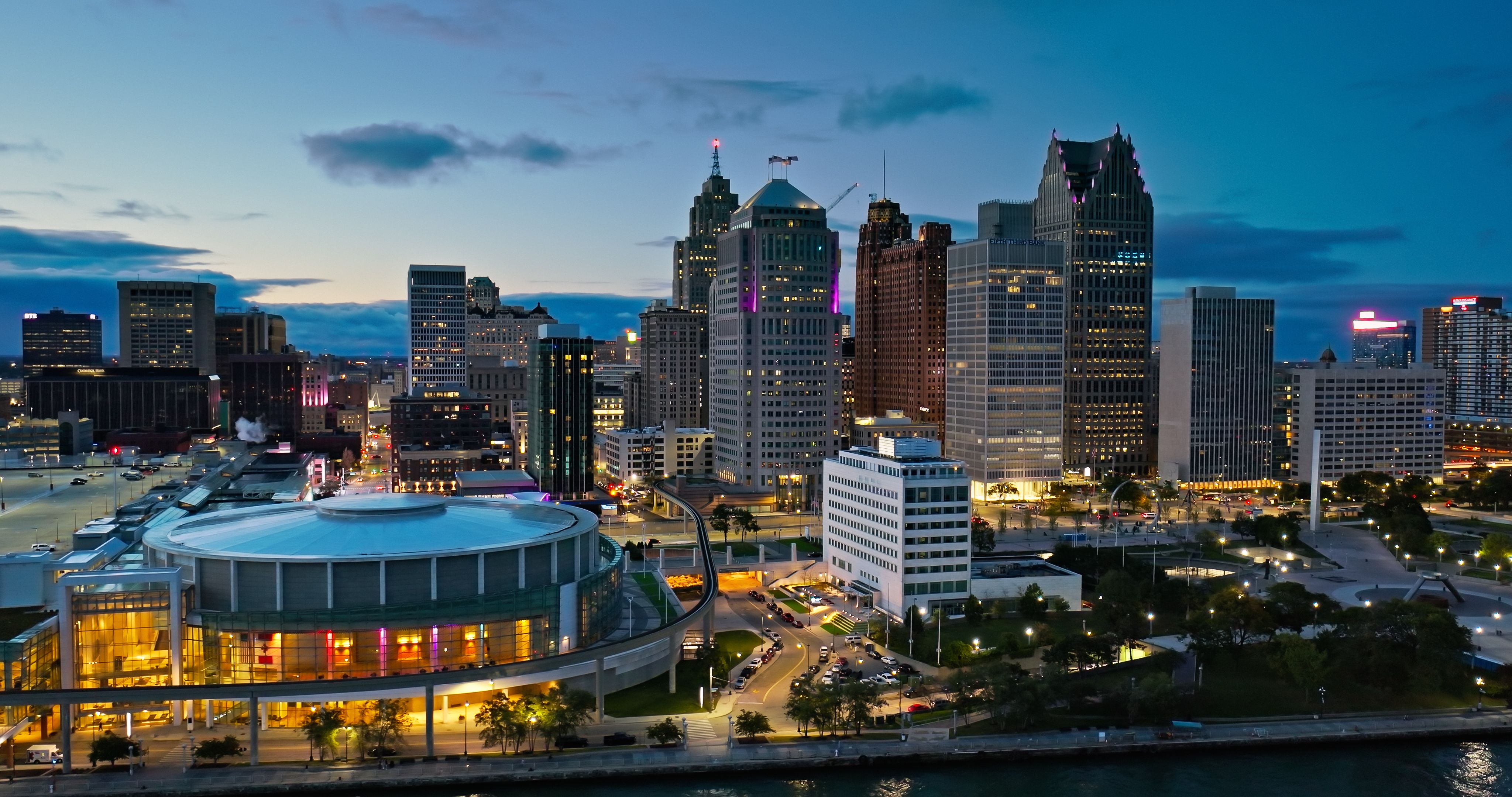
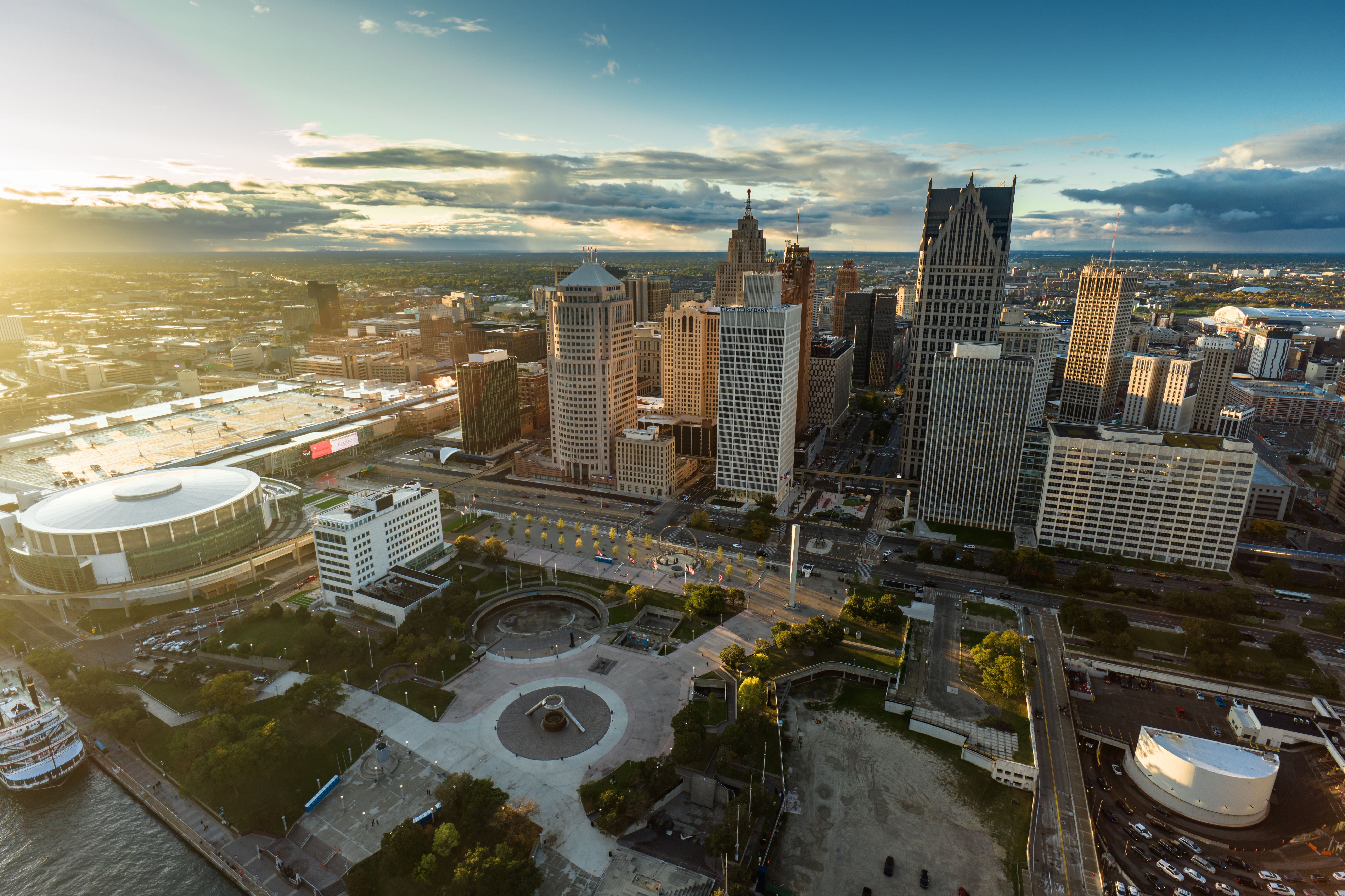
Detroit, with its iconic skyline and historic neighborhoods, serves as a powerful backdrop in Goines’ narratives. The city’s architecture and urban design play a pivotal role in shaping the atmosphere of his stories. From the bustling streets to the quieter, neglected corners, each setting contributes to the narrative’s authenticity.
In cinematic adaptations, these elements are brought to life, allowing viewers to immerse themselves in the world Goines depicted. The contrast between Detroit's thriving cultural centers and its struggling communities highlights the city's complexity and resilience.
Characters and Their Stories
Goines’ characters are as diverse as Detroit itself, representing a wide array of backgrounds and experiences. They navigate challenges such as poverty, crime, and systemic inequality, all while striving for a better life. These characters, with their rich backstories and motivations, provide a human face to the city’s struggles.
In film adaptations, these characters are brought to life by talented actors who capture their essence and bring depth to their stories. Through their performances, audiences can connect with the characters on a personal level, fostering empathy and understanding.

Cinematic Techniques and Storytelling
Filmmakers adapting Goines’ work employ various cinematic techniques to convey the intensity and emotion of his stories. From dynamic camera angles to evocative soundtracks, these elements enhance the narrative and create a compelling viewing experience.
Storytelling in Goines’ adaptations often focuses on themes of survival, resilience, and hope. By highlighting these themes, filmmakers not only stay true to the spirit of the original works but also offer fresh insights into the enduring human spirit.

The Impact of Goines’ Work
Goines’ contributions to literature and film continue to resonate with audiences today. His stories offer a raw, unfiltered view of urban life, challenging stereotypes and prompting discussions about social justice and equity.
The cinematic exploration of Goines’ Detroit serves as a powerful reminder of the city's enduring spirit and the potential for change. By engaging with these narratives, viewers can gain a deeper appreciation for the complexities of urban life and the resilience of its people.